
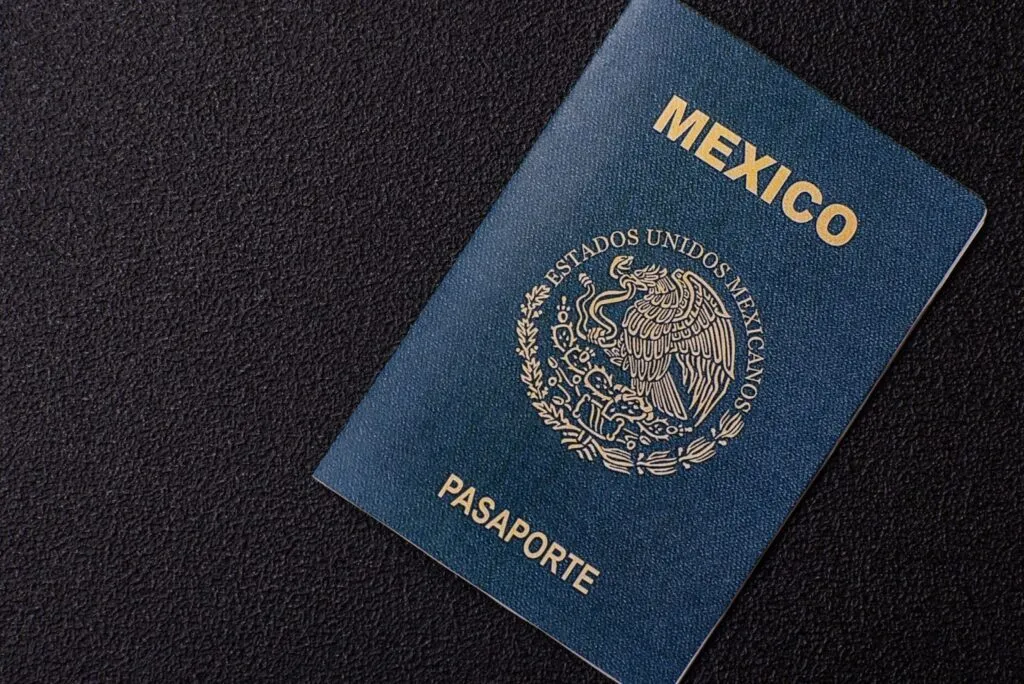
Mexico is a highly attractive country for foreigners looking to live, invest, or spend extended periods abroad. Its quality of life, cultural diversity, and real estate opportunities have drawn buyers and expats from all over the world.
However, taking that step involves much more than choosing a beautiful place to live. Before deciding, it is essential to understand how residency in Mexico works, what types of visas are available, and the legal requirements to live in the country without complications.
In this guide, we explain the residency options available, the process to obtain them, and how they relate to purchasing property in Mexico.
Why residency is relevant for foreign buyers in Mexico
If you are considering buying property in Mexico, especially in places like Los Cabos, you may want to spend more time in the country. In that context, residency in Mexico becomes a key factor.
Visiting Mexico as a tourist is not the same as living there legally, as a tourist stay comes with clear limitations in time and rights.
Having Mexican residency allows you to remain in the country for extended periods, access services more easily, sign contracts, and enjoy greater stability. Knowing from the beginning which type of residency you need also helps you better plan your property purchase or retirement in Mexico.
Types of visas and residency options in Mexico
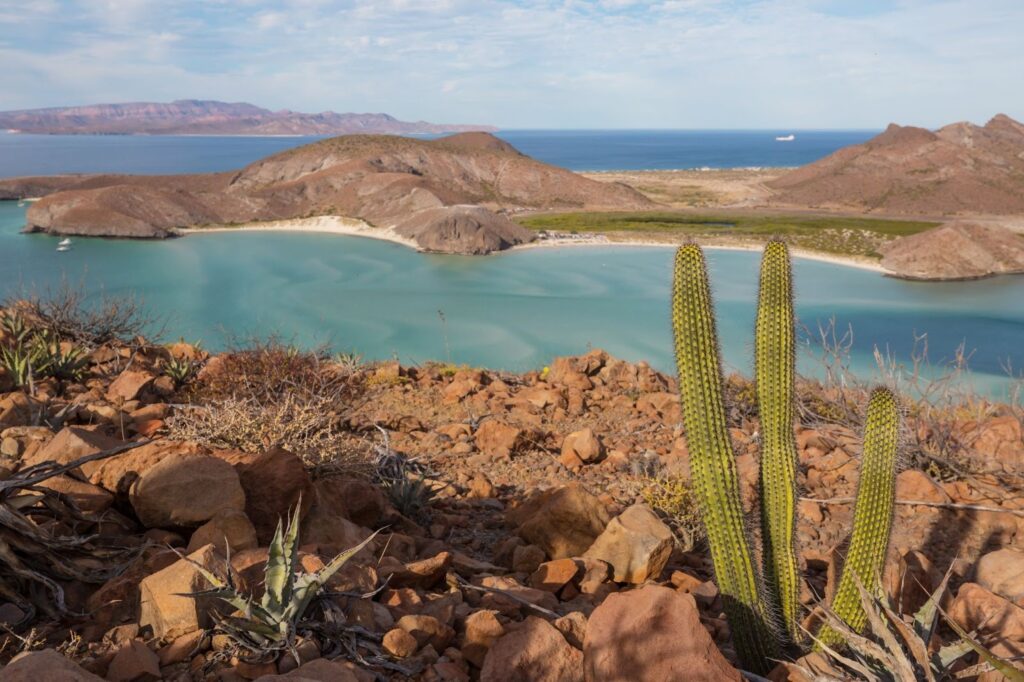
Mexico offers different immigration options depending on the length of stay and the visitor’s purpose. If you are planning to buy property in Los Cabos, it is important to understand these differences before starting the residency process.
- Visitor visa. Allows you to stay in the country for up to 180 days. It does not permit residency or permanent activities in Mexico.
- Temporary residency. Ideal if you want to live in Mexico for more than six months. It is renewable and is one of the most common options for foreign property buyers.
- Permanent residency. Required if you wish to establish yourself indefinitely in Mexico. It offers greater stability and rights but also involves stricter requirements.
Depending on what you want to do in Mexico—invest, live, or vacation—you can choose the option that best fits your situation.
Temporary residency in Mexico explained
Temporary residency in Mexico allows foreigners to live in the country for more than 180 days but less than four years, with the option to renew. This status is designed for people who want to settle in Mexico for a significant period, but not permanently.
It is commonly used by real estate investors, professionals, or expats who would like to live in cities with a high quality of life at a lower cost.
The permit is initially granted for one year and can be renewed for up to four consecutive years. To apply, Mexican authorities require proof of financial solvency, which may be demonstrated through savings, income, or investments in the country.
Temporary residency may also be granted if you have family ties to Mexican citizens or residents.
With this type of residency, you can live legally in Mexico, enter and exit the country freely, and enjoy a more stable daily life.
Permanent residency in Mexico: who qualifies?
Permanent residency in Mexico is intended for foreigners who wish to live in the country indefinitely. Unlike temporary residency, this status offers greater stability, but it is generally granted under more specific conditions.
- Who typically qualifies? Individuals with family ties in Mexico, those who qualify under a points-based system, or applicants who meet conditions recognized by immigration authorities, such as humanitarian or protection criteria.
- Difference from temporary residency. Permanent residency allows you to live in Mexico without time limits, while temporary residency is valid for a maximum of four years.
- Rights and limitations. Permanent residents enjoy many of the same rights as Mexican citizens in daily life, such as official identification, freedom of movement, and family reunification. However, they cannot vote in elections, and purchasing property in restricted zones still requires a trust (fideicomiso).
Overall, this is the most comprehensive immigration status available, offering long-term stability and deeper integration into Mexico’s social and economic life.
Step-by-step: how to obtain residency in Mexico
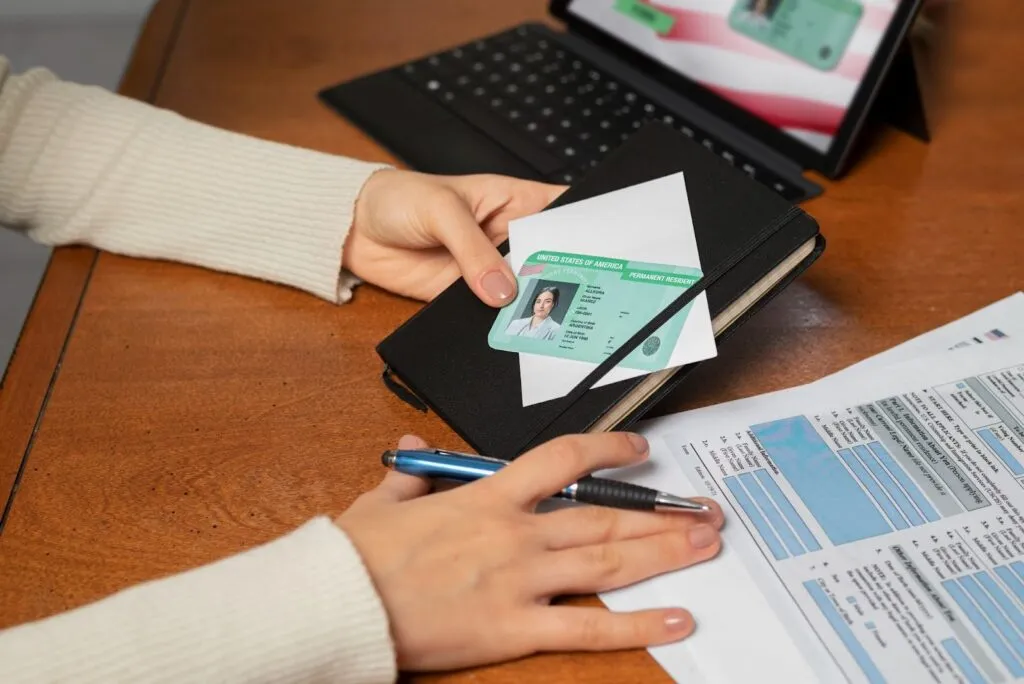
To obtain residency in Mexico, foreigners must start the process at a Mexican consulate and complete it once in the country.
Although requirements may vary depending on the applicant’s profile, the general process follows a clear sequence established by immigration authorities. These are the main steps to apply for Mexican residency:
- Determine the appropriate type of residency. Decide whether you need temporary or permanent residency based on your plans and intended length of stay.
- Start the process at a Mexican consulate. Visit a Mexican consulate in your country of residence. You must present valid identification proving citizenship or legal residency in that country.
- Submit the required documentation. This typically includes your passport, official application forms, financial statements, and supporting documents depending on the type of residency.
- Receive the visa to enter Mexico. Once the consulate approves your application, you will receive a visa allowing you to enter Mexico and continue the process.
- Exchange the visa for a residency card. After arriving in Mexico, you must visit the Instituto Nacional de Migración within the first 30 days to exchange your visa for a residency card.
If you obtain temporary residency, remember that it has a maximum validity period and must be renewed or converted before it expires.
Buying property and residency in Mexico: how they connect
Some foreigners wonder whether buying property in Mexico automatically grants residency. The short answer is no. Property ownership and immigration status are separate processes regulated by different authorities.
Buying property can help you plan for long-term residency, but it does not replace the immigration process. In some cases, property ownership or income derived from real estate may support your residency application as part of your financial solvency, but only within the official legal framework.
It is important to understand that property purchases are formalized before a notary, while residency is handled through immigration authorities. Knowing this distinction helps avoid incorrect expectations and ensures a smoother process from the start.
Documentation foreign buyers should prepare
Before starting any residency process in Mexico, it is recommended that foreigners prepare the documents required by immigration authorities. Being organized from the beginning helps avoid delays and complications.
Key documents typically include:
- A valid passport with sufficient remaining validity
- Official immigration forms, properly completed
- Proof of financial solvency, such as bank statements or income records
- Photographs and biometric data, depending on the procedure
- Supporting documents, when applicable, such as family ties or investment records
Exact requirements may vary depending on the type of residency, individual case, or consulate, so it is always advisable to verify current information before applying.
Conclusion
Obtaining residency in Mexico is more than just a legal process; it is the step that allows you to truly call this country home. It opens the door to becoming part of a community rich in culture, warmth, and attractive investment opportunities.
If you are ready to put down roots and explore real estate options in Mexico, you can schedule a free consultation with us to better understand your next steps.
FAQs
What’s the difference between a visitor stay, temporary residency, and permanent residency in Mexico?
A visitor stay is up to 180 days and doesn’t grant residency rights. Temporary residency covers stays over 180 days, renewable up to four years. Permanent residency allows indefinite living, usually with stricter eligibility.
How do I apply for Mexican residency step by step?
Start at a Mexican consulate, submit your passport, forms, and financial proof, and then receive a visa sticker. After entering Mexico, visit INM within 30 days to exchange it for a residency card.
Does buying property in Mexico automatically give me residency?
No—owning property doesn’t automatically give residency. Immigration status is handled separately through consulates and INM. Property income may support financial solvency, and coastal “restricted zone” purchases still use a fideicomiso.